
Important Aspects to Keep in Mind for a Smooth Process
Embarking on a flooring project can be an exciting yet daunting task. Whether you are updating the floors in your home or workplace, it’s crucial to plan carefully and make informed decisions. A successful flooring installation depends on several key factors that need to be considered beforehand. From understanding material options to selecting skilled professionals, each step requires careful thought. This guide will help you navigate through these considerations to ensure your project goes smoothly.
Choosing the Right Material
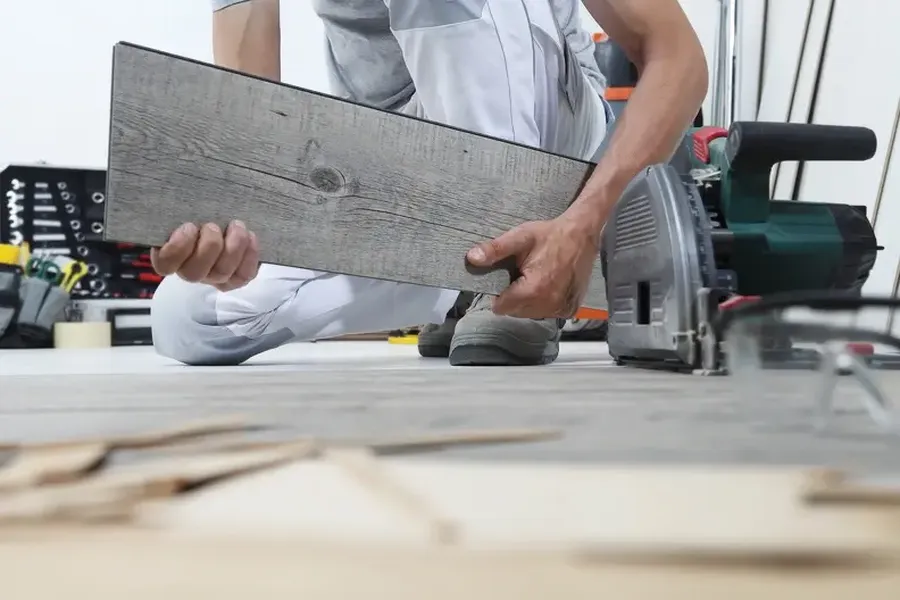
The first step in any flooring project is selecting the appropriate material. Different types of flooring, such as hardwood, laminate, tile, and carpet, offer unique benefits and drawbacks. It’s essential to assess your specific needs and preferences before making a choice. Consider factors like durability, maintenance requirements, and aesthetic appeal. For instance, hardwood offers timeless beauty but may require more upkeep compared to vinyl.
Assessing Your Budget
Budget plays a significant role in determining the scope of your flooring installation project. Be sure to account for not just the cost of materials but also labor charges and potential additional expenses like underlayment or subfloor repair. Having a clear budget will help guide your decisions and prevent unexpected financial strain during the process.

Evaluating Installation Options
There are different methods for installing floors, each with its own set of tools and techniques. Depending on the type of flooring, you might consider DIY approaches or hiring professional installers. Professional assistance often ensures a precise fit and finish, especially for complex installations. Analyze the pros and cons of each approach based on your comfort level and project complexity.
Understanding Subfloor Condition
A solid subfloor is critical for a long-lasting flooring solution. Before proceeding with installation, inspect the condition of your current subfloor. Look for issues like uneven surfaces or water damage that could affect the new floor’s performance. Addressing these problems early can save time and money in the long run.
Timing and Scheduling
Timing is another vital aspect when planning your project. Make sure you schedule your flooring installation at a convenient time when it won’t disrupt daily activities too much. Coordinating with contractors about lead times for material delivery and installation availability can prevent delays.
Maintenance Requirements
Different flooring types come with varied maintenance needs. Some materials demand regular sealing or refinishing, while others might only need simple cleaning. Understanding what is required post-installation helps keep your floors looking their best over time. Choose a flooring option that matches your lifestyle and maintenance capability.
- Select durable materials suitable for high-traffic areas
- Create a detailed budget including potential hidden costs
- Choose between DIY or professional installation based on skill level
- Check subfloor for damages prior to laying new floors
- Schedule installation during less busy periods to minimize disruption
Expert Advice With Flooring Projects
For many homeowners, gaining expert insights can make all the difference when planning a flooring project. Industry professionals can provide valuable guidance on everything from selecting suitable materials to implementing best practices during installation. Involving experts early in the process minimizes errors and enhances satisfaction with the final result.
Contact Us for Professional Assistance
If you’re considering upgrading your floors, rely on Ramos Painting for exceptional service and expertise. Located in Burlingame, CA, we offer comprehensive support tailored to meet your specific needs. Our team is committed to delivering quality results at every stage of your project. Contact us today at (650) 710-4849 to get started on transforming your space.