
Your Guide to a Flawless Floor Project
If you’re planning to install tiles in your home, making sure it’s done right is crucial. A precise approach not only enhances the aesthetic appeal of your space but also ensures durability and longevity. From selecting the right materials to executing the installation process with precision, there are several steps involved. We’ll guide you through these essential steps for a perfect tile setup, helping you avoid common pitfalls and achieve professional-looking results.
Choosing the Right Materials
The first step in achieving a perfect floor project involves choosing the right materials. Different areas of your home may require specific types of tiles based on moisture exposure, foot traffic, and personal preference. Consider factors like durability, water resistance, and ease of maintenance when selecting your tiles. Remember that matching grout color can significantly affect the final look as well, so choose wisely.
Preparing Your Surface
Before beginning any tile installation, properly preparing your surface is vital. This means ensuring that the subfloor is clean, dry, and level. Uneven surfaces can lead to cracked tiles and an uneven finish. If necessary, use a leveling compound to smooth out any imperfections. This preparation sets the stage for a successful tile installation that will last for years.

Gathering Essential Tools
A successful project requires the right tools. Make sure to have all necessary equipment before starting. Essential tools include a tile cutter, trowel, spirit level, spacers, and a rubber mallet. Having these tools at hand will ensure efficiency and precision during the installation process.
Executing the Layout Plan
Creating a layout plan helps prevent mistakes and reduces waste. Begin by laying out tiles without adhesive to determine the best fit and appearance in your space. Adjustments might be needed near walls or corners to maintain symmetry. Proper planning at this stage is key to achieving that perfect tile layout.
Applying Adhesive Correctly
The application of adhesive is a critical step in installing tiles. Use a notched trowel to spread the adhesive evenly over a small area at a time. This ensures that tiles stick firmly to the surface. Avoid applying too much adhesive at once to prevent it from drying out before placing tiles.
Laying and Aligning Tiles
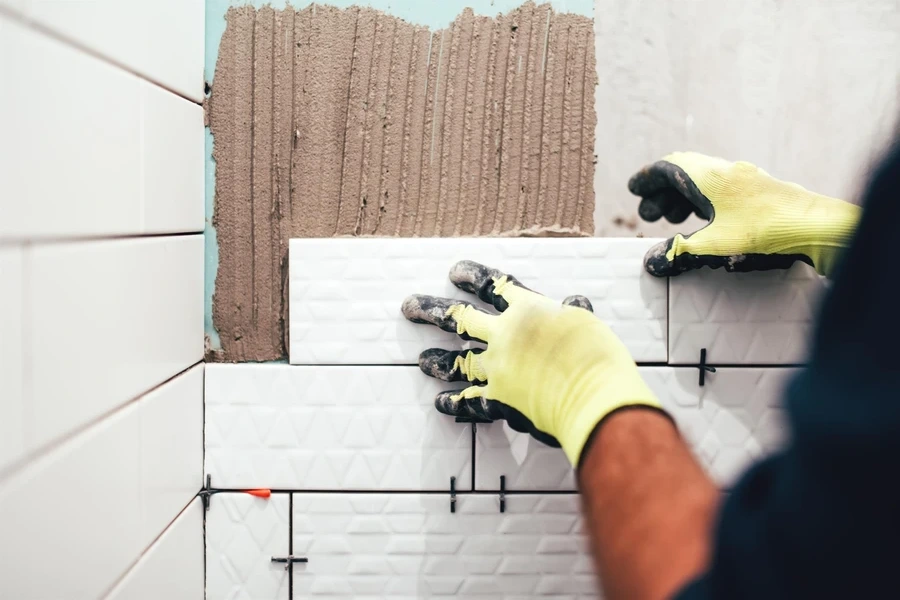
After spreading adhesive, begin placing tiles with care. Apply gentle pressure while setting each tile into place. Use spacers to maintain consistent gaps between tiles for grout lines. Periodically check alignment with a spirit level to keep rows straight and uniform throughout your tile installation project.
- Ensure regular maintenance
- Choose quality materials
- Work with experts
Grouting for a Finished Look
Once tiles are set and adhesive has cured, apply grout between them using a rubber float. Remove excess grout immediately and allow it to cure as per instructions provided by the manufacturer. Proper grouting adds strength and provides a finished appearance that complements your tiles beautifully.
- Clean the surface thoroughly before starting
- Use high-quality adhesive for better longevity
- Check alignment regularly during installation
- Allow sufficient curing time for adhesives and grout
Ensuring Long-Term Maintenance
Regular maintenance is crucial for preserving your tile’s appearance and functionality. Sweeping or vacuuming frequently prevents dirt accumulation, while cleaning spills immediately avoids stains. Occasional deep cleaning will help maintain grout color and overall shine of your tiles.
Contact Us for Expert Assistance With Your Tile Needs
Tackling a home improvement project like tile installation can be daunting but rewarding. To ensure success every step of the way, consider consulting professionals if you encounter challenges beyond basic DIY skills. Located in Burlingame, CA, we offer specialized services tailored to meet diverse needs efficiently. Reach out today at (650) 710-4849 or visit Ramos Painting online for support from experienced professionals who understand local requirements.